
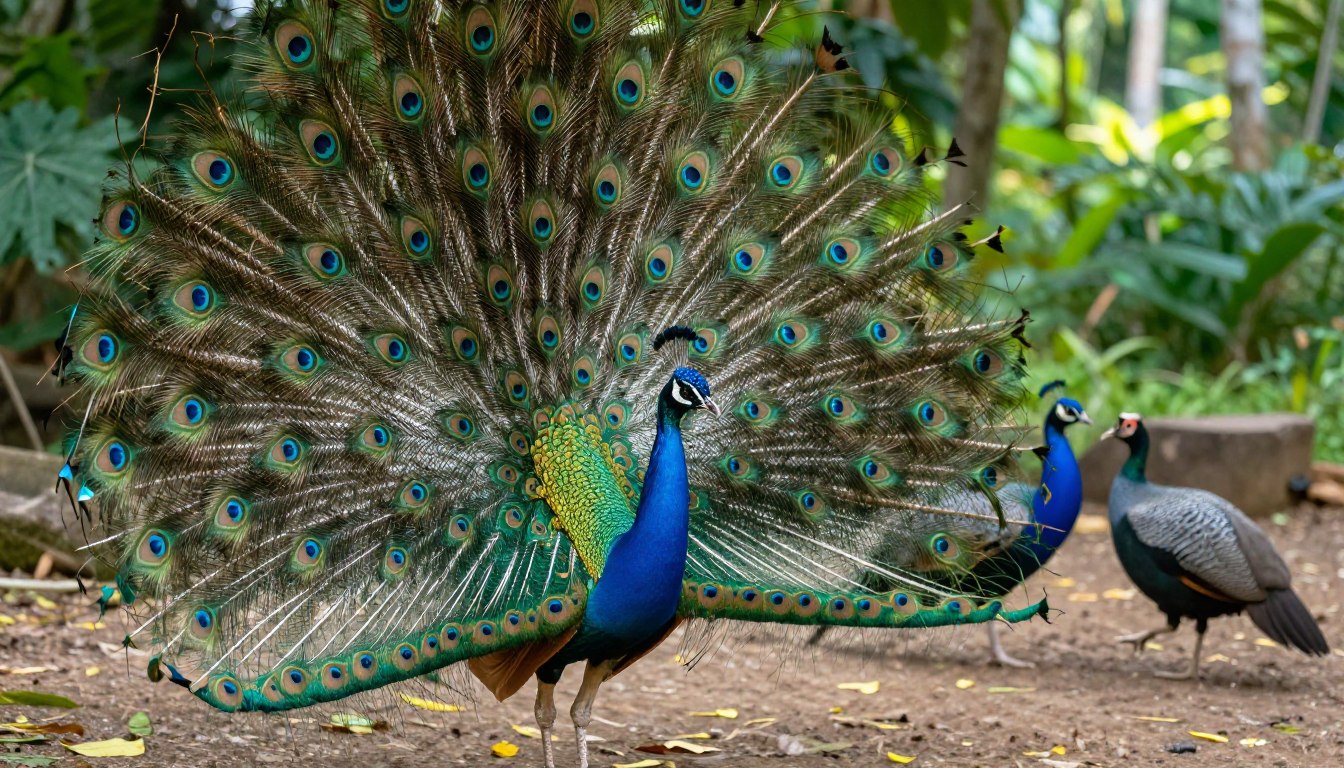
Discover the Beauty of the Sri Lankan Peacock in the Wild
The Sri Lankan peacock is a true wonder of nature. It amazes travelers with its bright colors and noble look. This bird is also a big part of the island’s culture and stories.
People travel long distances from home to see these birds. But it doesn’t make people tired. Because people like to watch the behavior of animals and relax their minds.

If you really want to see this beautiful sight, the best places to visit are the national parks in Sri Lanka’s dry zone. In parks like Yala, Udawalawe, and Wilpattu, you can easily see these birds roaming freely in their natural habitat.
Interesting Facts About the Sri Lankan Peacock
Peacocks have adapted wonderfully to Sri Lanka’s beautiful landscapes over the centuries. Today, they are a huge part of the island’s rich heritage, blending perfectly into both open grasslands and quiet forest areas.
The Origins and Identity of the Peacock
Known scientifically as Pavo cristatus, these birds are closely related to the peafowl found across the Indian subcontinent. It is believed that they originally moved to Sri Lanka a very long time ago, eventually making the island’s dry zone forests their permanent home.
How is the Sri Lankan Peacock Different from Other Species
Did you know that not all peacocks look the same? While the Sri Lankan peacock belongs to the Indian Blue Peafowl family, it has some unique differences when compared to other species, such as the Green Peacock found in Southeast Asia.
Here are the main differences that set them apart:
- Feather and Neck Colors: The Sri Lankan (Indian) peacock has a brilliant, deep blue neck. On the other hand, Green peacocks have a distinctive green, scaly pattern on their necks and bodies.
- The Shape of the Crest: If you look closely at the “crown” (crest) on their heads, blue peacocks have a wide, fan-shaped crest. Green peacocks have a much taller, thinner, and pointed crest.
- Evolution and Genetics: These two species have lived in different parts of the world for thousands of years. This long separation has shaped their unique looks, behaviors, and adaptations to their specific environments.
Physical Features and Unique Behaviors
The Sri Lankan peacock is world-famous for its stunning appearance, especially the males with their long, colorful tails. There is a clear difference between the colorful male peacocks and the simpler brown peahens. These unique features and colors help them attract mates and communicate with each other in the wild.
The Peacock Dance in Sri Lankan Culture
In Sri Lanka, the majestic movements of the peacock have inspired a traditional art form known as the “Peacock Dance” (Mayura Natuma). Dancers wear colorful costumes and imitate the elegant steps and feather displays of the wild bird. This beautiful dance is a major highlight in local cultural festivals and pageants (Peraheras) across the island.
- A Sacred Religious Symbol: Beyond dance, the peacock is highly revered in Sri Lankan religion as the sacred vehicle (the Vahana) of Lord Kataragama, a powerful guardian deity of the island.
- The Bringer of Rain: In rural folklore, farmers traditionally believe that the loud calls and dancing of the peacock signal the arrival of the monsoon rains, making it a symbol of good luck and fertility for crops.
The Vibrant Beauty of the Male Peacock
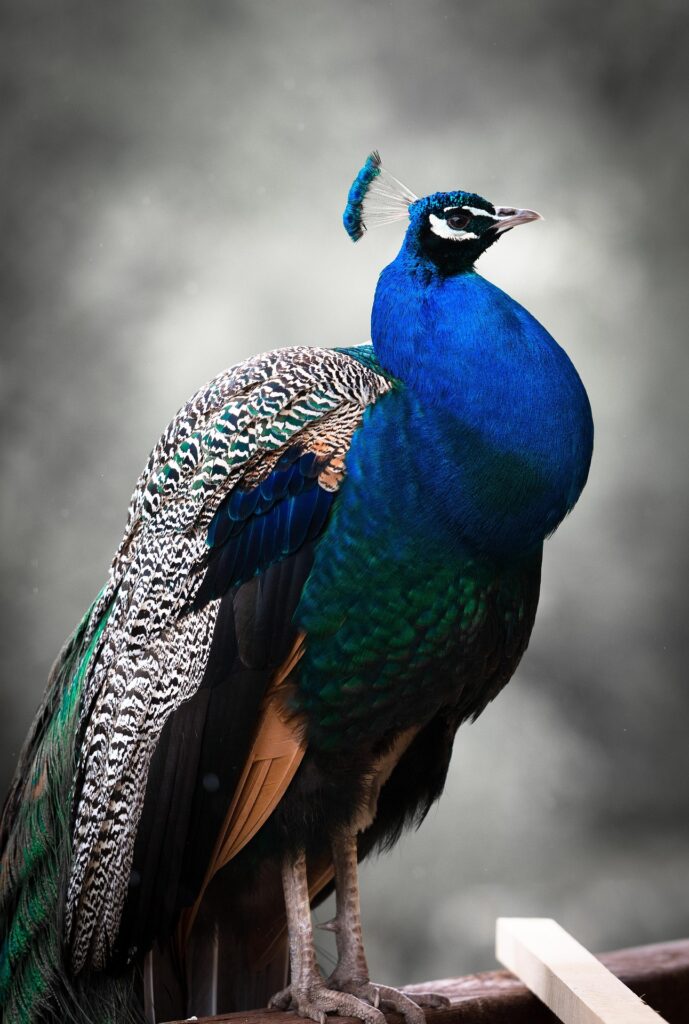
The male Sri Lankan peacock is famous for its long, glowing train of feathers that shines in brilliant shades of blue and green. These stunning colors are not just for show—they play a huge role in attracting a mate. In nature, the brighter and healthier a peacock’s feathers look, the stronger its genetics are, making it highly attractive to female peahens.
Natural Camouflage of the Female Peahen
In contrast, the female peahen has a much simpler look with earthy tones of brown, gray, and cream. While she might not be as colorful as the male, her subtle colors are her greatest strength. This natural camouflage allows her to blend perfectly into the forest background, keeping her nest and young chicks safe from predators.
The Secret Behind Their Glowing Colors
The bright, glowing colors of a male peacock don’t actually come from chemical pigments. Instead, it is a natural wonder called structural coloration. The tiny, microscopic structures on their feathers reflect light like a prism, creating that beautiful metallic shine that makes the Sri Lankan peacock so famous.
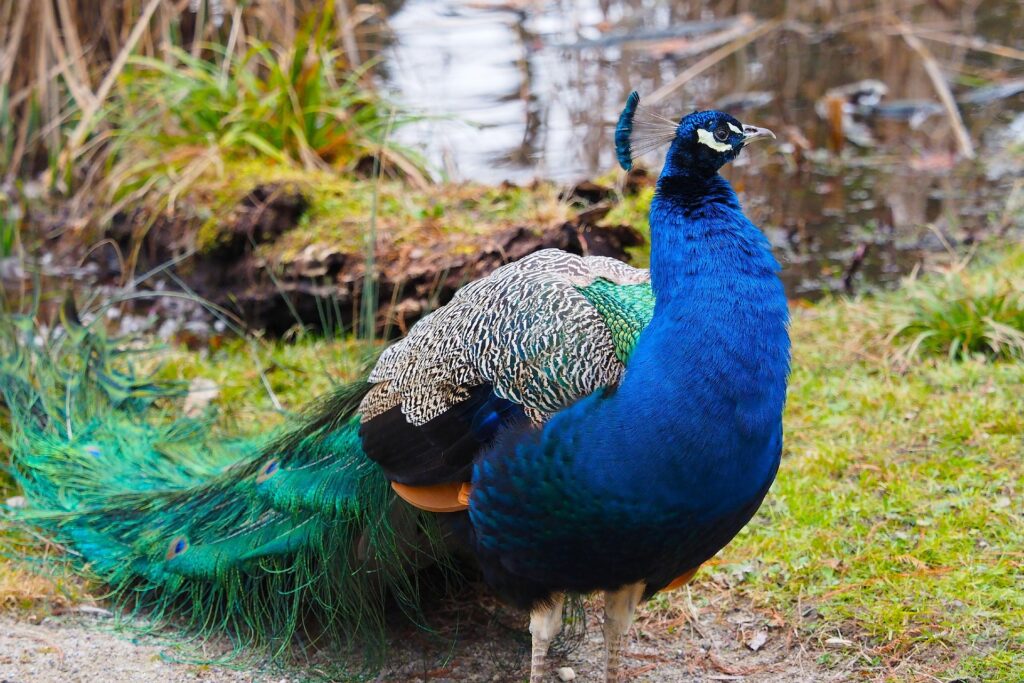
| Feature | Male peacock | Female peacock |
|---|---|---|
| Main Colors | Metallic Blue and Green | Brown, Gray, and Cream |
| Feather Purpose | Attracting a mate & Display | Camouflage and Protection |
| Visual Look | High brightness and shine | Natural and Earthy tones |
| Survival Strategy | Mating selection | Hiding from predators |
Preferred Habitats and Distribution
The Sri Lankan peacock thrives in various environments, from dense forests to open fields. They prefer places that offer both food and safety. This choice helps them survive and thrive.
Dry Zone Forests and Scrublands
The dry zone is home to most of the Sri Lankan peacock population. This area has deciduous forests and dense scrublands. These provide the perfect hiding spots for the birds.
The dry zone’s unique climate provides a rich supply of seeds, insects, and small reptiles. This wide variety of food is the perfect diet for the Sri Lankan peacock, helping them stay healthy and energized even during the hottest dry seasons of the year.
How Peacocks Adapt to Village Life and Farms
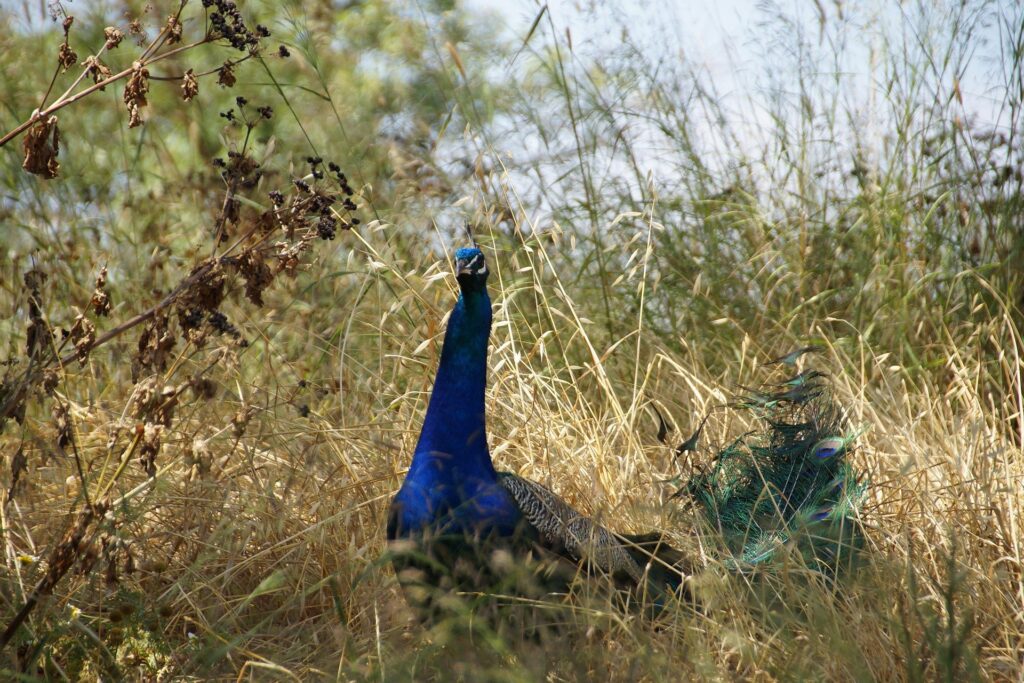
The Sri Lankan peacock is incredibly smart and adaptable. Today, you don’t just see them in deep jungles; many have moved closer to local villages and farming areas, where they can easily find plenty of food and water. While they still remain careful around humans, they have learned to share spaces with us to survive.
Here are a few simple reasons why you often spot them near these areas:
- Easy Access to Water: They love staying close to lakes, canals, and village tanks (Wewas) to drink and cool off.
- Farming Seasons: During harvesting times, peacocks flock to paddy fields to enjoy the leftover grains.
- Safe Hiding Spots: Even near villages, they look for thick bushes and tall trees to build nests and sleep safely at night.
- Peaceful Places: They prefer quiet, less crowded spots near farms to search for food without being disturbed.
Behavioral Patterns and Social Structure
The Sri lankan peacock has a strict schedule. They forage during the day and stay safe at night. They are active during daylight to find food and socialize with their group.
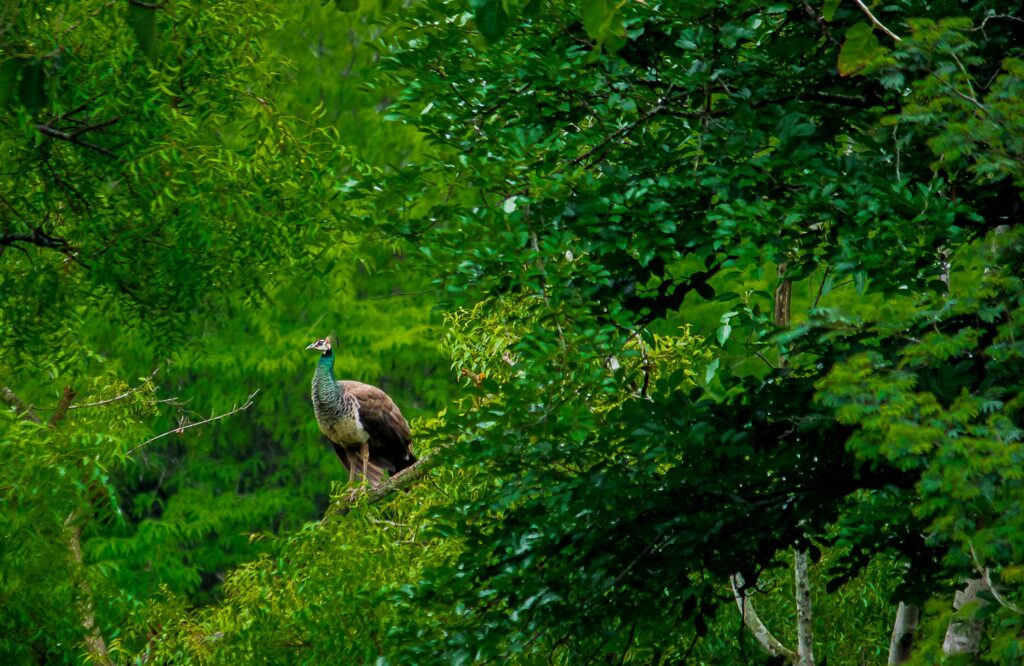
As night falls, they look for a safe spot to rest. They choose high places in trees to avoid predators on the ground.
Daily Routines and Nighttime Roosting
Sri Lankan peacocks are strictly diurnal, meaning they are active during the day. You can easily spot them walking through forest clearings and grassy fields in search of food. They are social birds and often travel in small groups for safety. When night falls, they fly up to the tops of tall forest trees to sleep safely, away from ground predators like leopards.
Loud Calls and Communication
Communication is key for these birds in the wild. Peacocks are famous for their loud, piercing calls that can echo through the entire forest. They use these unique sounds to stay in touch with their flock while foraging, sound alarms if danger is near, and coordinate with each other even when they are separated by thick jungle trees.
Alarm Calls and Predator Detection
WIn the wild, a peacock’s voice is its best defense system. When a Sri Lankan peacock spots a threat—like a leopard hiding in the bushes—it lets out a sharp, loud alarm call. This warning cry instantly alerts the entire flock to run, hide, or fly up into the trees, keeping them safe from danger.
Diet and Foraging Habits
The Sri Lankan peacock plays a major role in maintaining the balance of the forest ecosystem. These birds are highly active, constantly moving between dense jungles and open grassy fields throughout the day in search of food.
An Omnivorous Diet: They Eat Almost Anything!
One of the main reasons the Sri Lankan peacock thrives so well in the wild is its flexible, omnivorous diet. They aren’t picky eaters at all! On one hand, they love feeding on seeds, grains, and wild fruits found on the forest floor.
But they are also skilled hunters. Their diet includes insects, small lizards, and even young snakes! This incredibly diverse diet gives them all the energy and nutrition they need to stay strong and healthy in the wild.
Mating Rituals and Breeding Season
When the monsoon rains arrive, the Sri Lankan landscape turns into a stage for one of nature’s most spectacular shows. This is the peacock breeding season, a fascinating time filled with unique behaviors and beautiful displays.
Here is how these majestic birds find their mates and raise their families:
Best Places for Wildlife Photography
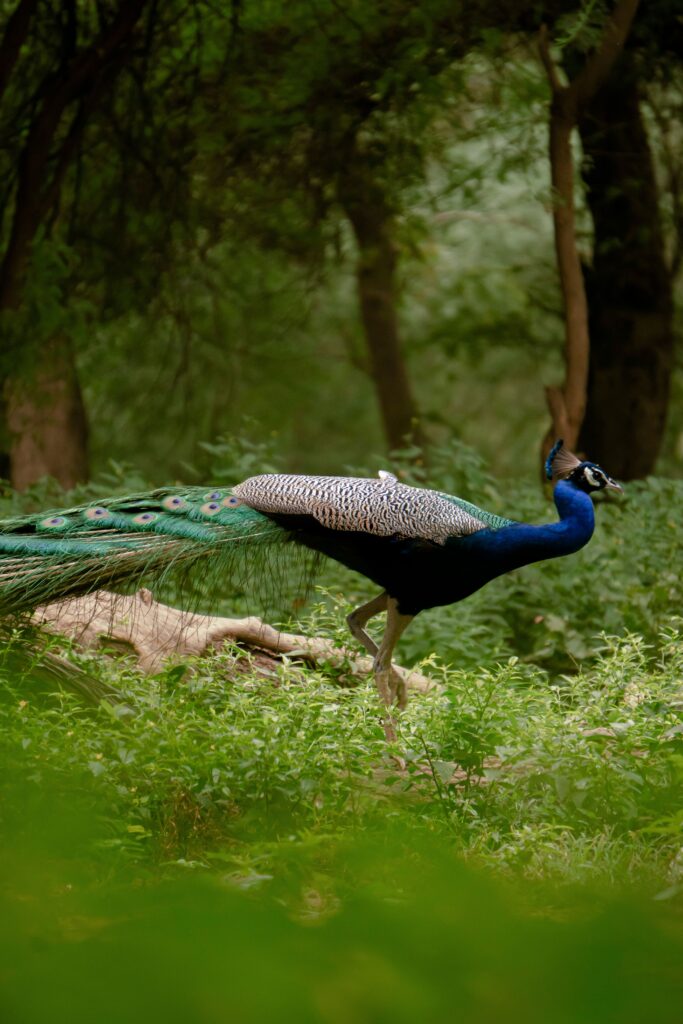
Sri Lanka is a true paradise for wildlife photographers, offering incredible opportunities to capture the Sri Lankan peacock in all its majestic glory. To get that perfect shot, you just need to know the right places to look.
Capturing the Magic at Yala National Park
Yala National Park is arguably the top spot for peacock photography. With its extensive network of safari tracks, photographers can easily get close to these birds without causing them any stress. Peacocks are everywhere in Yala! The golden morning light in Yala is absolutely perfect for capturing the brilliant, metallic colors of a male peacock’s long train.
Quiet Encounters at Wilpattu National Park
If you prefer a quieter, more peaceful setting, Wilpattu National Park is the place to go. Wilpattu is famous for its unique “Villus” (natural rain-fed lakes). During the dry season, these villus attract a lot of wildlife, including peacocks. Photographers often find that the birds here act more naturally, allowing you to capture raw, candid moments against the beautiful forest backdrop.
”The most important tool in a photographer’s kit is patience, especially when waiting for that perfect moment in the wild.”
Tips for Ethical Wildlife Photography
To be a responsible and ethical wildlife photographer, always remember to follow these simple rules:
- Keep a Safe Distance: Never get too close; keep a respectful distance so you don’t scare or stress the birds.
- No Flash Photography: Avoid using camera flash, as it can shock the peacocks and disrupt their natural behavior.
- Never Use Bait: Don’t use food or bait to attract the birds closer just to get a “better shot.”
- Stay Quiet: Keep your voice down and maintain the peace of the jungle so you can observe them naturally.
Final Thought
The Sri Lankan peacock is truly one of the most beautiful sights you can experience in the island’s wild jungles. From their breathtaking colors to their deep roots in local culture, these birds make any wildlife safari unforgettable. Next time you visit national parks like Yala or Udawalawe, keep your eyes open and your camera ready for this majestic bird.
Treat every animal with love and kindness. Protect them.
Common Questions About Sri Lankan Peacocks
Q1: Where is the best place to see peacocks in Sri Lanka?
The best places are the dry zone national parks, especially Yala, Udawalawe, Wilpattu, and Kumana. You can also spot them roaming near forest edges and rural villages in the dry zone.
Q2: What is the difference between a peacock and a peahen?
Peacocks are the colorful male birds with long, bright blue and green feathers. Peahens are the females, which are smaller and have simple brown and gray feathers for camouflage.
Q3: Why do peacocks dance?
Male peacocks spread their beautiful feathers and dance mainly to attract female peahens during the mating season.
Q4: Can Sri Lankan peacocks fly?
A: Yes, they can fly! Although they spend most of their time walking on the ground, they fly up to the tops of tall forest trees at night to sleep and stay safe from predators.