Kandy Esala Perahera: Ultimate Guide to the Festival
Experience the magic of the Kandy Esala Perahera, a vibrant celebration that stands as the most famous Sri Lankan Buddhist festival. This spectacular event honors the Sacred Tooth Relic, a treasure that devotees believe embodies the spirit of the Lord Buddha himself.
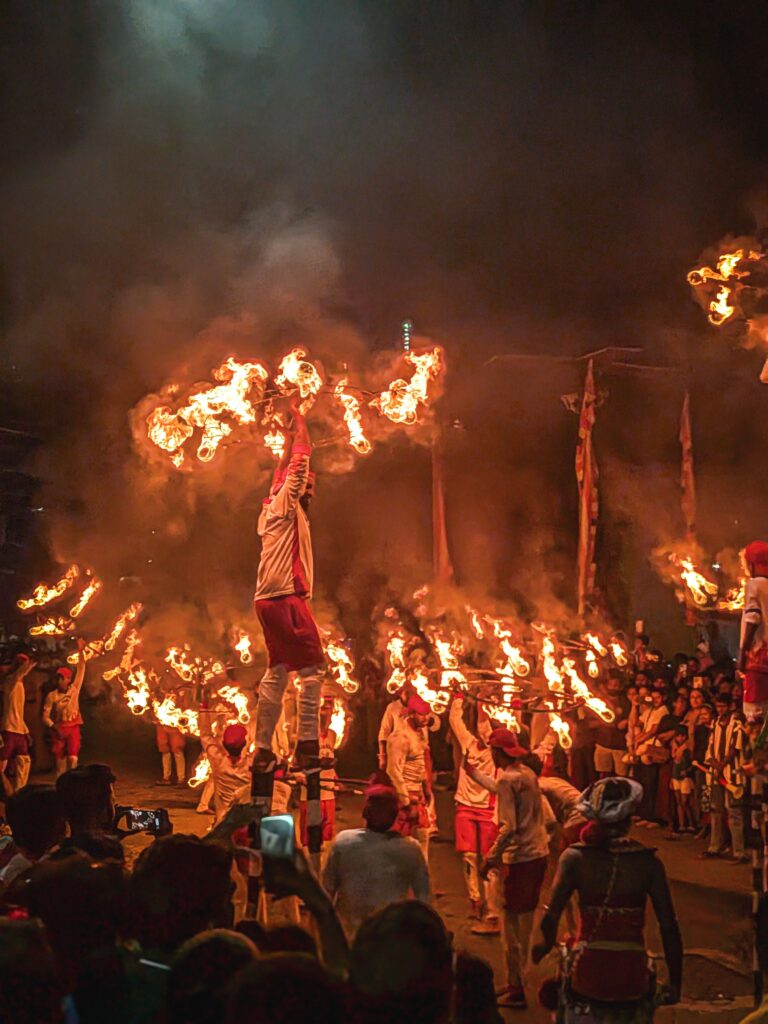
”As someone who loves exploring global cultural traditions, witnessing the glowing lights and traditional Kandyan dances live is an experience that will stay in your heart forever.”
Our comprehensive Kandy festival guide helps you navigate this historic tradition with ease. We cover everything from the deep roots of the local temple to essential tips for your visit. You will learn how to secure the best viewing spots, understand the complex procession customs, and practice respectful behavior during the ceremonies.
Please remember that dates and crowd sizes shift every year. Planning ahead ensures you enjoy this breathtaking cultural journey to the fullest.
Key Takeaways
- The event is a major spiritual procession honoring the Buddha.
- Visitors must dress modestly to show respect at the temple.
- Book your viewing tickets well in advance to avoid disappointment.
- While paid seating offers comfort, you can also experience the Perahera for free by finding a spot along the roadside early.
- Expect large crowds and vibrant traditional performances throughout the city.
- Check official schedules as ceremony times can change annually.
Why Kandy Esala Perahera Matters to Sri Lanka
Beyond the dazzling lights and rhythmic drums, the Kandy Esala Perahera serves as the heartbeat of the nation’s spiritual identity. This magnificent event is far more than a simple parade; it is a profound expression of devotion that unites thousands of people in a shared act of faith. It represents the pinnacle of Sri Lankan Buddhist culture, drawing pilgrims and travelers to the historic hill capital.
The festival’s religious and cultural purpose
The roots of this celebration trace back to 310 A.D., when Princess Hemamala and Prince Dantha arrived in the island nation carrying the Buddha’s sacred left canine tooth. This relic became a symbol of divine protection and sovereignty for the island’s rulers. Today, the festival continues to honor this ancient legacy, ensuring that the spiritual heritage of the country remains vibrant and alive for future generations.
“The Perahera is not merely a spectacle of color; it is a living prayer that echoes the devotion of centuries, connecting the present moment to the eternal teachings of the Buddha.”
How the procession honors the Buddha’s sacred tooth relic
The Sacred Tooth Relic significance cannot be overstated, as it is housed within the revered Temple of the Tooth. During the festival, the relic is symbolically paraded through the streets to bless the land and its people. This act of public veneration allows the faithful to pay their respects to the relic, which is traditionally kept in a secure, ornate casket atop a majestic tusker.
The procession is meticulously organized to reflect the deep Sacred Tooth Relic significance within the Buddhist tradition. Every element, from the traditional drummers to the torchbearers, plays a specific role in creating an atmosphere of reverence. It is a powerful reminder of how the Temple of the Tooth remains the spiritual center of the nation.
What can visitors expect from the celebration?
If you are planning to attend, prepare for an immersive experience that engages all your senses. The Kandy Esala Perahera is a whirlwind of activity that blends solemn religious ritual with high-energy cultural performance. Visitors can expect to see a variety of traditional elements during the nightly processions:
- Majestic Elephants: Adorned in elaborate, glowing costumes that shimmer under the night sky.
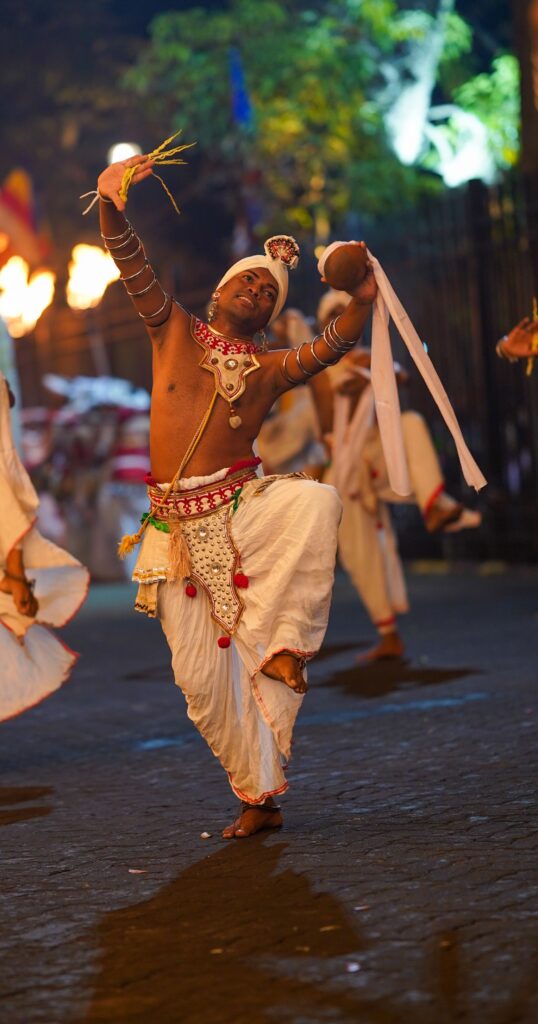
- Traditional Dancers: Skilled performers showcasing ancient Kandyan dance styles with incredible stamina.
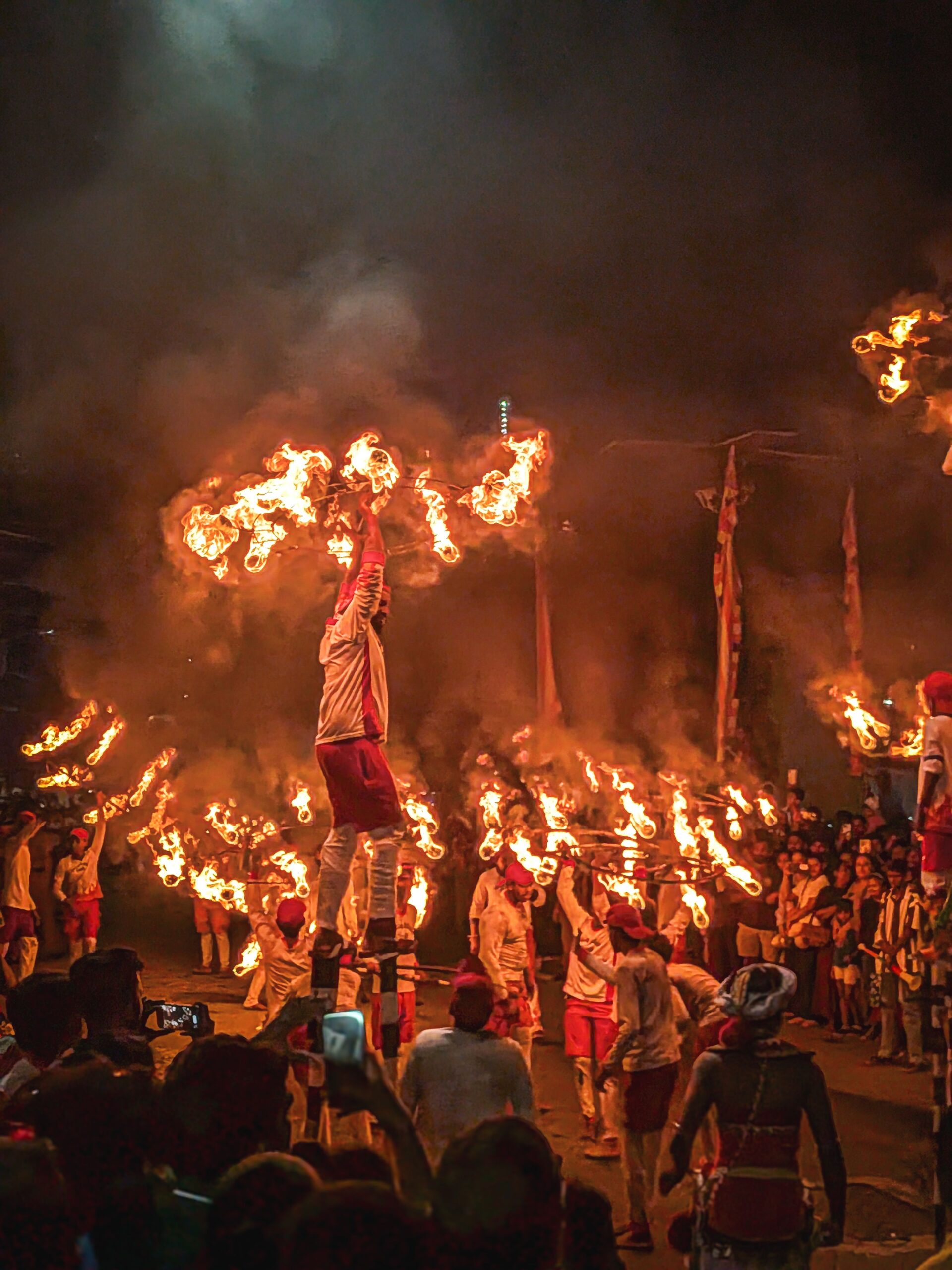
- Fire Performers: Torchbearers who clear the path and add a dramatic flair to the evening.
- Rhythmic Drummers: The heartbeat of the event, providing a constant, hypnotic pulse to the parade.
This unique blend of pageantry and piety makes the festival a cornerstone of Sri Lanka Buddhist culture. Whether you are a spiritual seeker or a curious traveler, witnessing this event is a transformative experience. It offers a rare glimpse into the heart of a nation that treasures its history and faith above all else.
Kandy Esala Perahera History from Royal Ritual to Global Festival
The story of the Kandy Perahera is a fascinating journey through time, royal devotion, and cultural resilience. This annual event serves as a vibrant link between the ancient spiritual practices of the island and the modern celebrations enjoyed by thousands today. Understanding kandy perahera history requires looking at how a simple ritual transformed into a world-renowned cultural spectacle.
Ancient origins of the Esala festival
The roots of the celebration trace back to the Esala month, a time traditionally dedicated to the four guardian deities of Sri Lanka. Long before the current festival took its modern form, these rituals were performed to seek blessings for rain and a bountiful harvest. These Kandy esala perahera origins reflect the deep connection between the local people and their agricultural cycles.
The arrival of the sacred tooth relic in Sri Lanka
The spiritual heart of the festival is the sacred tooth relic history, which began when the relic arrived in the island nation during the 4th century AD. It was initially housed at the Isurumuniya Temple in Anuradhapura, marking the start of a long tradition of royal protection. Successive kings believed that whoever held the relic possessed the divine right to rule the land.
How Kandy became the relic’s principal center
As political power shifted across the island, the relic moved to various capitals to ensure its safety. Eventually, it found a permanent home in the hill capital of Kandy, which solidified the city’s status as the religious center of the nation. This move turned Kandy into a focal point for pilgrims and royalty alike, forever changing the city’s identity.
Changes to the procession under the Kandyan Kingdom and British rule
During the era of the Kandyan Kingdom, the procession became a grand display of royal authority and religious piety. Following the British takeover in 1815, the festival faced significant challenges as the traditional royal patronage began to fade. Despite these political shifts, the local community worked tirelessly to preserve the integrity of the event.
“The Perahera is not merely a parade; it is a living testament to the endurance of a culture that refuses to let its sacred traditions fade into the pages of history.”
The modern role of the Diyawadana Nilame and festival organizers
Today, the Diyawadana Nilame serves as the chief custodian of the Temple of the Tooth and the primary organizer of the festival. This official holds the immense responsibility of ensuring that every ritual is performed with strict adherence to ancient customs. Working alongside various committees, they manage the complex logistics required to host such a massive international event.
- Coordination of traditional dancers and drummers.
- Management of the majestic elephant procession.
- Maintenance of strict religious protocols during the ten-day event.
The Temple of the Tooth and Sri Dalada Maligawa
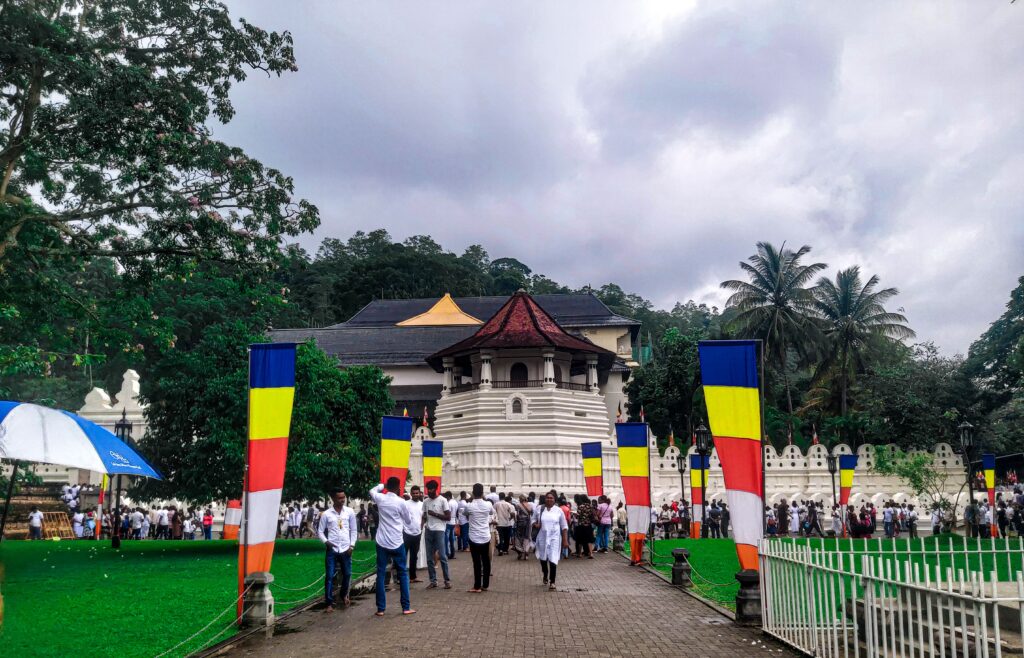
Stepping into the Sri Dalada Maligawa, you immediately feel the weight of history and the pulse of active worship. This golden-roofed sanctuary is far more than a mere tourist attraction; it is the spiritual heartbeat of the nation.
Evolution of the sacred sanctuary
The Temple of the Tooth history is deeply intertwined with the royal legacy of the Kandyan Kingdom. Originally constructed within the royal palace complex, the structure evolved over centuries to house the most precious relic in the Buddhist world.
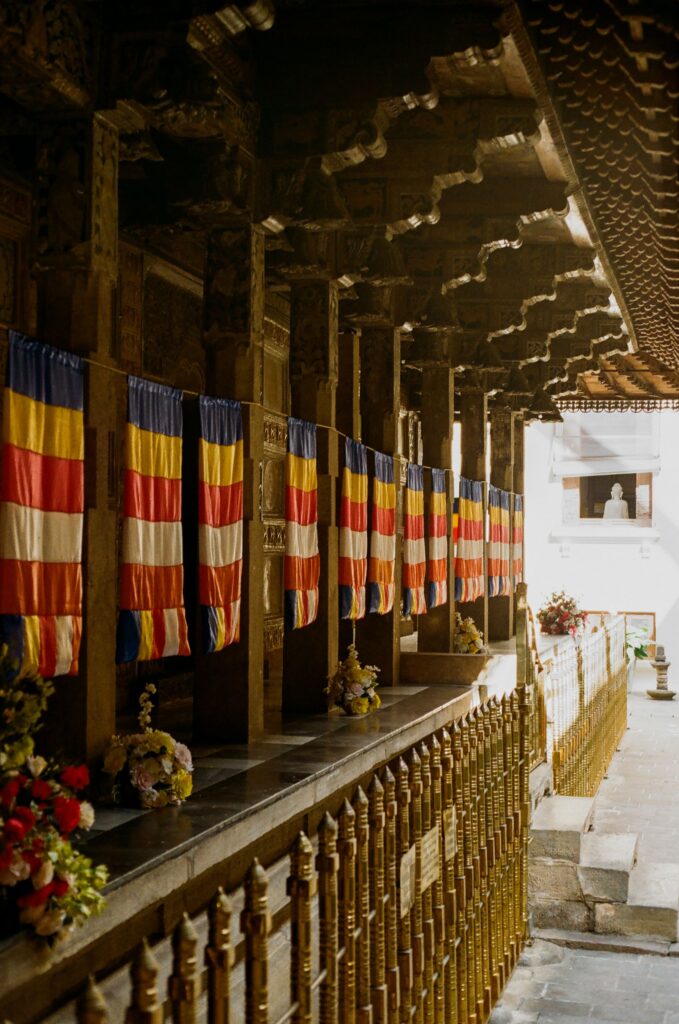
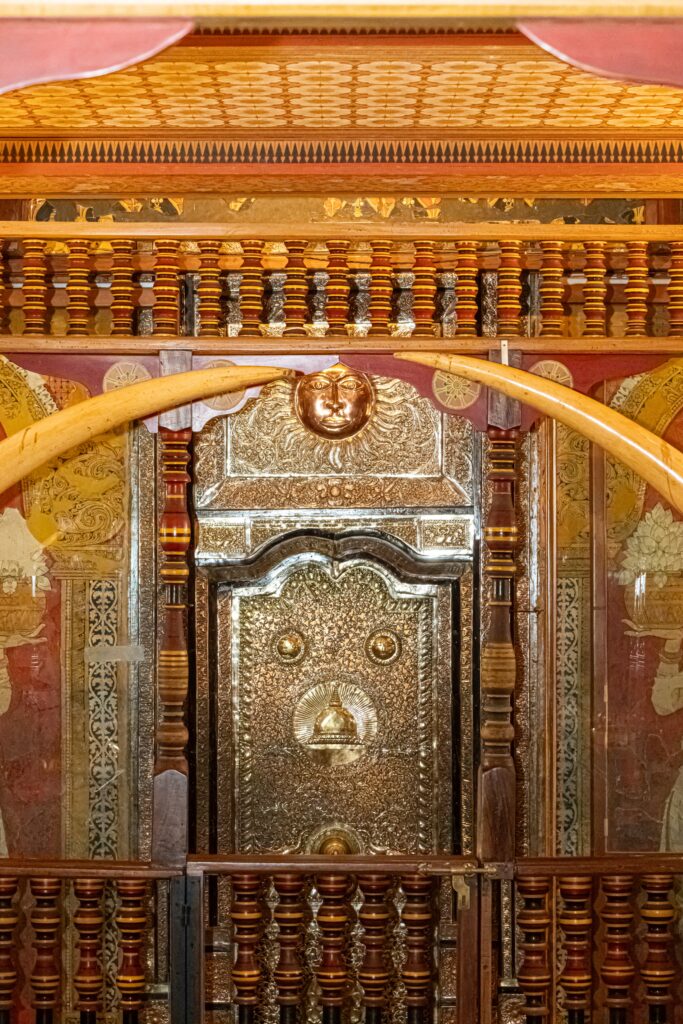
The Sri Dalada Maligawa architecture reflects a blend of traditional Kandyan styles and later refinements. Its intricate wood carvings, ivory inlays, and gold-plated roof showcase the immense devotion of past kings who sought to protect the sacred relic.
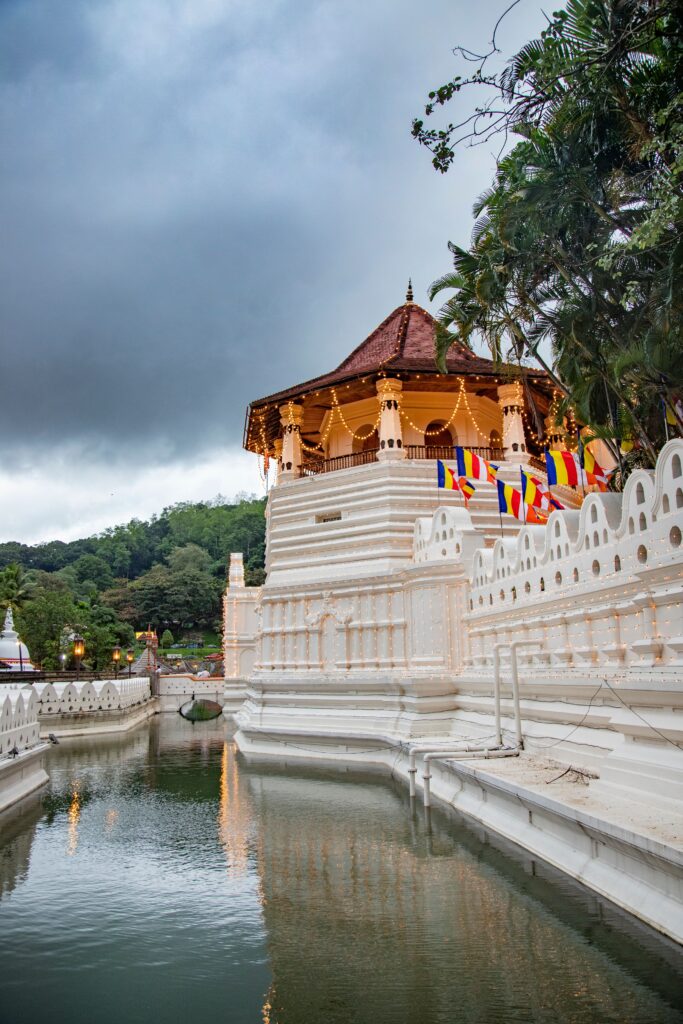
Exploring the temple complex
Visitors will find a sprawling layout that includes the main shrine, the royal palace, and the audience hall. Each space serves a specific purpose, from quiet meditation areas to grand halls where ancient kings once held court.
The complex is designed to facilitate a flow of pilgrims moving toward the inner sanctum. You will notice the meticulous care taken to preserve these sacred spaces, which remain central to the religious life of the local community.
Rhythms of daily devotion
Daily rituals at the temple of the tooth are a sensory experience like no other. Three times a day, the air fills with the hypnotic sound of ceremonial drumming and the scent of jasmine offerings.
These offerings, known as Thevava, are performed by dedicated monks with unwavering precision. Watching these ancient rites provides a rare window into a tradition that has remained largely unchanged for hundreds of years.
A guide for respectful visitors
A Kandy temple visit requires a mindful approach, as you are entering a living place of worship. It is essential to remember that this is not a museum, and your conduct should reflect the sanctity of the environment.
Dress requirements and behavior inside the temple
Modesty is strictly enforced for all guests. You must ensure your shoulders and knees are covered before entering the premises. Additionally, you are required to remove your shoes at the designated areas near the entrance.
Photography, security checks, and restricted areas
Security is a top priority, so expect to pass through screening checkpoints upon arrival. While you may take photos of the beautiful architecture, please avoid taking selfies with the inner shrine in the background.
Some areas, particularly those housing the most sacred relics, are restricted to the public. Always follow the guidance of temple staff to ensure your Kandy temple visit remains a positive and respectful experience for everyone involved.
The Sacred Tooth Relic and Its Significance
The Sacred Tooth Relic serves as the spiritual heartbeat of Sri Lanka, drawing pilgrims from across the globe to pay their respects. This revered object is far more than a historical artifact; it is viewed as the living presence of the Buddha himself.
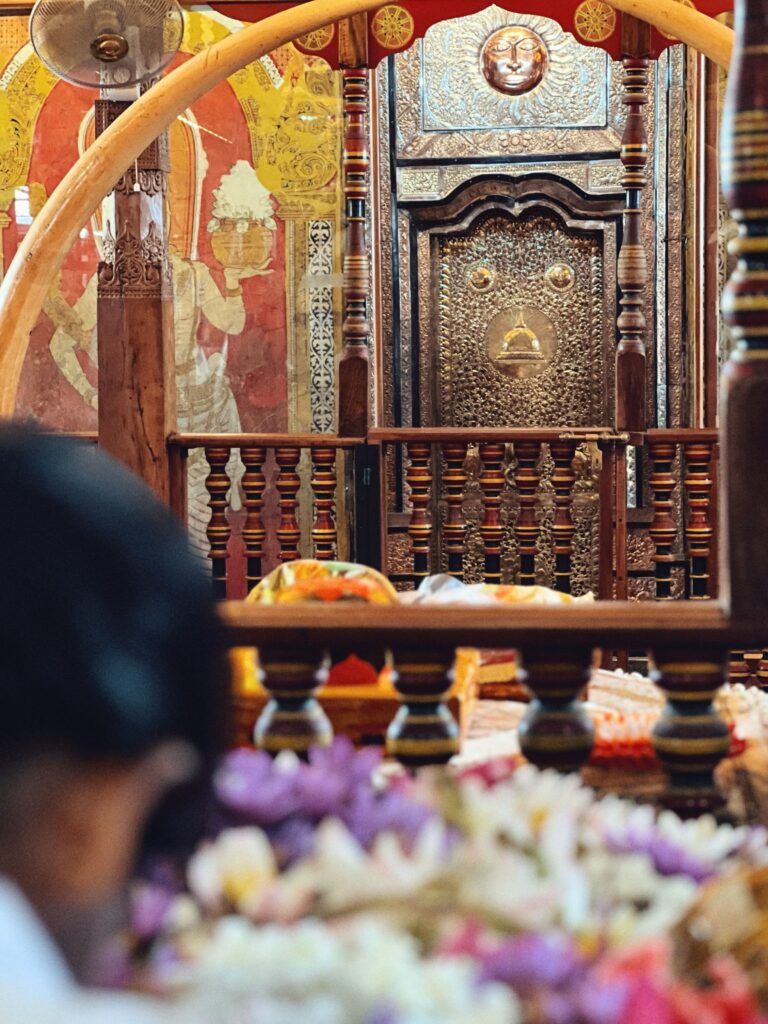
What the relic represents in Buddhist tradition
In Buddhist tradition, the relic is believed to hold the spiritual essence of the Buddha. Devotees visit the temple of the tooth to seek blessings and find inner peace. It acts as a bridge between the physical world and the teachings of enlightenment.
Why possession of the relic symbolized legitimate kingship
Historically, the Buddha tooth relic was the ultimate symbol of Buddhist kingship. Ancient rulers believed that whoever held the relic possessed the divine right to govern the land. It was also thought to ensure timely monsoon rains and bountiful harvests for the people.
Where the relic is kept within Sri Dalada Maligawa
The relic is housed securely within the Sri Dalada Maligawa, also known as the Temple of the Tooth. It rests in an inner sanctum that is heavily guarded and restricted to the public. This sacred space is designed to protect the relic while maintaining its spiritual purity.
Understanding relic chambers, public viewing, and ceremonial access
Visitors should set realistic expectations regarding access to the inner chambers. While you can visit the temple of the tooth, the actual relic is rarely visible to the public. During daily rituals, the doors to the chamber open, allowing devotees to catch a glimpse of the sacred relic casket from a distance.
Important distinctions between the relic casket and the relic itself
It is vital to understand the difference between the physical relic and its containers. The actual relic is kept inside a series of nested golden containers. The sacred relic casket seen during the grand procession is a replica used to represent the relic to the public. This distinction highlights the immense care taken to preserve the original Buddha tooth relic while allowing the faithful to participate in Buddhist kingship traditions through public veneration.
How the Kandy Esala Perahera Unfolds
The Kandy Esala Perahera is a mesmerizing display of faith that unfolds through a series of carefully choreographed nightly processions. This annual event serves as a living testament to the island’s rich heritage, drawing thousands of spectators to witness the Kandy esala perahera procession in all its glory.
The five historic processions that lead into the main event
The festival is structured around a sequence of events that honor the sacred tooth relic. Understanding the Kandy perahera history is essential to appreciating why these five distinct processions are held with such reverence. Each night, the sri dalada maligawa procession moves through the streets, growing in complexity and visual splendor as the festival progresses.
Kumbal Perahera and its family-friendly atmosphere
The first five nights are known as the Kumbal Perahera. These early processions are slightly more modest, making them perfect for families and those who prefer a less overwhelming environment. The atmosphere is festive yet calm, allowing visitors to appreciate the rhythmic drumming and traditional costumes at a comfortable pace.
Randoli Perahera and the festival’s grandest nights
As the festival reaches its climax, the focus shifts to the Randoli Perahera. These final five nights represent the pinnacle of the celebration, featuring an explosion of light, color, and sound. The processions become significantly more elaborate, with more dancers, musicians, and decorated elephants joining the parade.
The water-cutting ceremony at the end of the festival
The grand finale occurs with the water-cutting ceremony, known locally as the Diya Kepeema. This ritual takes place at the Mahaweli River, symbolizing the purification of the community and the renewal of life. It is a deeply spiritual moment that marks the official conclusion of the festival period.
Traditional dancers, drummers, torchbearers, and decorated elephants
The procession is a sensory masterpiece, filled with the sounds of whip-crackers and the sight of fire-dancers. Traditional performers spend months perfecting their craft to ensure the rhythm of the parade remains flawless. The inclusion of majestic, decorated elephants adds a layer of regal history that connects the modern event to the ancient kings of Kandy.
“The Perahera is not merely a parade; it is a rhythmic prayer that echoes the devotion of a nation to its most sacred treasure.”
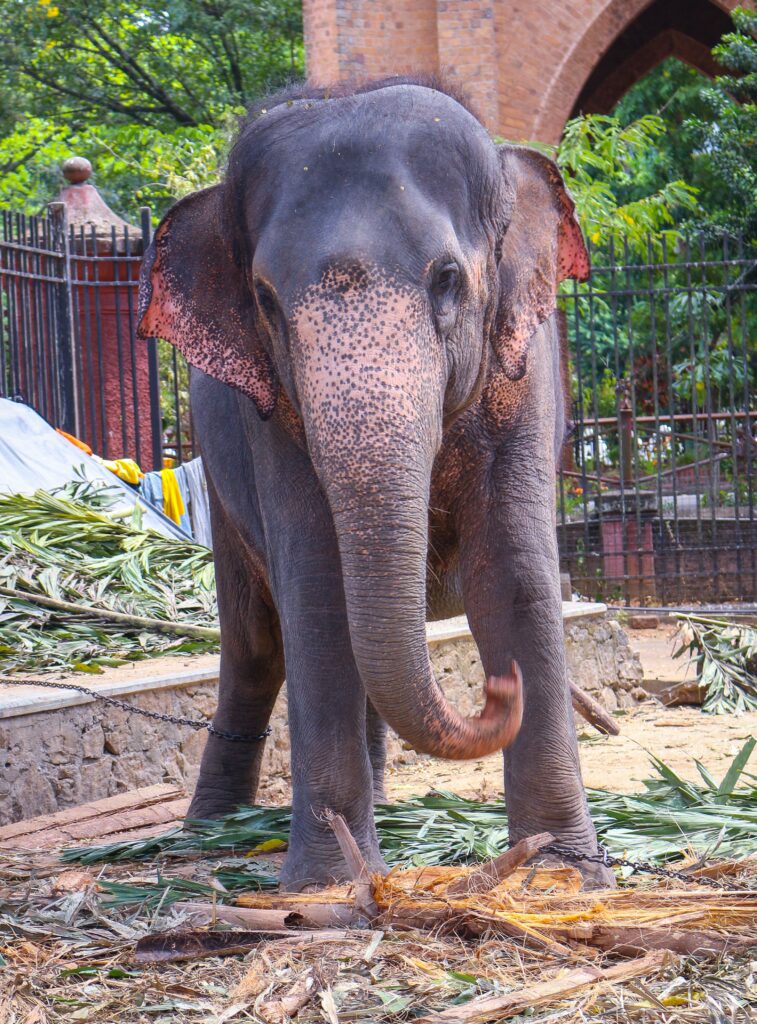
The symbolic role of the Maligawa Tusker
At the heart of the procession walks the Maligawa Tusker, the majestic elephant chosen to carry the golden casket containing the sacred relic. This animal is treated with the utmost respect, adorned in ornate velvet and gold trappings. Its presence is the most anticipated moment of the entire night, signifying the divine protection of the relic.
How performers and elephants are prepared for the procession
Preparation for the festival is a year-round commitment for the local community. Performers undergo rigorous training to maintain the high standards of their ancestral arts. Similarly, the elephants are cared for with specialized attention to ensure they remain calm and healthy throughout the demanding nights of the festival.
- Respectful Observation: Always maintain a quiet demeanor when the relic casket passes.
- Ethical Tourism: Support organizers who prioritize the welfare of the participating animals.
- Cultural Sensitivity: Dress modestly and follow the guidance of local officials during the event.
When and Where to Experience the Festival
To truly appreciate the Kandy Esala Perahera, you must first understand the celestial calendar that dictates its annual schedule. The festival is deeply rooted in tradition, and the Esala full moon serves as the primary anchor for the event.
Because the lunar calendar shifts each year, travelers must verify the specific Kandy esala perahera dates well in advance. Relying on fixed solar dates can lead to disappointment, so always check official announcements before finalizing your travel arrangements.
How the Esala full moon determines the annual dates
The festival begins with the planting of the “Kapa,” a sacred ritual that sets the stage for the upcoming processions. This timing is calculated by astrologers who track the lunar cycle to ensure the celebration aligns with ancient customs.
Understanding this connection helps you grasp the kandy perahera history, which has been preserved through centuries of religious devotion. By aligning the event with the full moon, the organizers maintain a spiritual continuity that dates back to the era of the Kandyan kings.
Typical timing of Kandy Perahera events
Most processions take place in the evening, typically starting around 7:00 PM or 8:00 PM. Crowds begin to gather hours earlier to secure the best vantage points along the narrow streets.
The atmosphere builds slowly as the sound of traditional drums fills the air. You should plan to arrive early, as the city becomes very busy and road closures are strictly enforced to accommodate the performers.
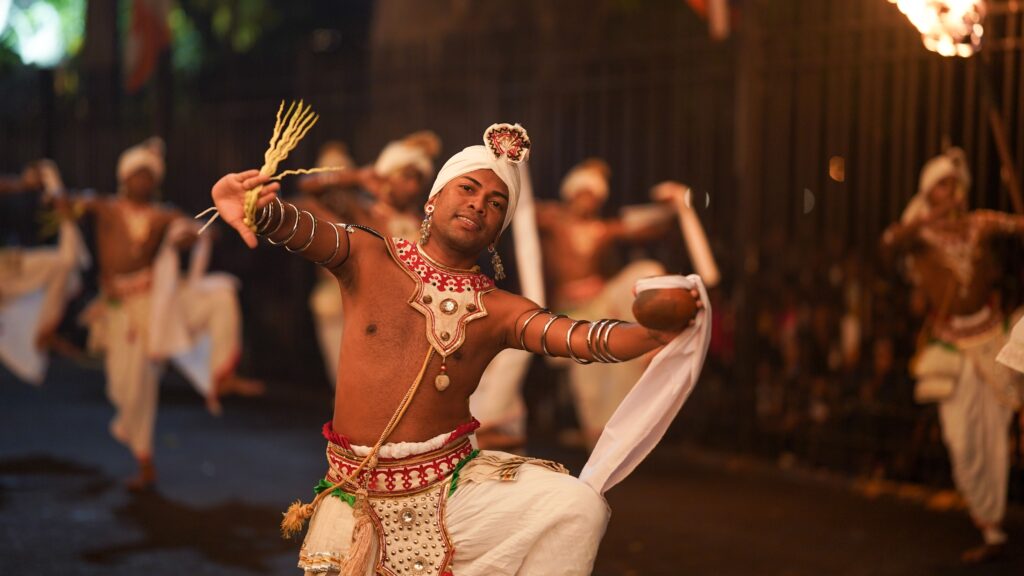
Where the procession travels through central Kandy
The Kandy Perahera route is a carefully mapped path that connects the sacred Temple of the Tooth with the surrounding city streets. The procession moves in a rhythmic, slow-paced loop, allowing thousands of spectators to witness the majesty of the elephants and dancers.
While the exact path can see minor adjustments due to local construction or traffic management, the core route remains consistent. It is designed to showcase the relic casket to the public while honoring the city’s royal heritage.
Best areas for seeing the route, including Dalada Veediya and Raja Veediya
Choosing the right spot is essential for a comfortable viewing experience. Many seasoned travelers prefer specific streets that offer a clear line of sight as the procession passes by.
- Dalada Veediya: This is one of the most popular streets, offering a wide view of the parade.
- Raja Veediya: Known for its historic charm, this area provides a more traditional backdrop for the event.
- Temple Square: Ideal for those who want to be close to the starting point of the procession.
What changes between early procession nights and the final Randoli nights
The festival evolves significantly over its ten-day duration. The early nights are smaller and more intimate, serving as a buildup to the grand finale.
As the festival progresses, the number of performers, drummers, and decorated elephants increases. The final Randoli night is the most spectacular, featuring the most elaborate costumes and the highest level of pageantry, making it the highlight of the entire experience.
Planning a Kandy Perahera Trip
Embarking on a journey to witness the Kandy Esala Perahera is a highlight for any traveler visiting Sri Lanka. Because this festival draws massive crowds, effective Kandy travel planning is essential to ensure your trip is stress-free. A successful Kandy esala perahera trip relies on balancing the excitement of the event with the practical realities of local logistics.
How far in advance to book flights, hotels, and transportation
You should aim to finalize your travel arrangements at least six months before the festival begins. Demand for rooms in the city spikes significantly during the ten-day celebration, often leading to full occupancy. Booking your flights and private transport early guarantees you won’t be left stranded during this peak season.
Choosing accommodation near Kandy Lake, the temple, or the procession route
When selecting your stay, consider the trade-offs between proximity and comfort. Staying near Kandy Lake or the main procession route offers immediate access to the festivities, but be prepared for significant noise and restricted vehicle movement. Kandy accommodation options further from the center provide a quieter retreat, though you will need to account for longer walking times due to road closures.
Building a practical itinerary around the festival schedule
Creating a balanced Sri Lanka itinerary requires flexibility during the festival dates. Since the procession can last for several hours each night, avoid scheduling early morning tours the following day. Leave room in your plans for unexpected delays caused by the sheer volume of people moving through the city streets.
Combining the festival with the Temple of the Tooth and Kandy’s other sights
While the festival is the main draw, the Temple of the Tooth remains a year-round spiritual center worth visiting during quieter hours. You can easily combine your festival experience with a morning visit to the temple or a peaceful walk around the botanical gardens. This approach allows you to appreciate the cultural depth of the region without feeling rushed by the evening crowds.
Planning for crowds, road closures, heat, rain, and limited mobility
The city undergoes a transformation during the festival, with many roads closed to regular traffic. Always check local updates regarding transit, as you may need to walk significant distances to reach your viewing spot. If you have limited mobility, consider hiring a local guide who can navigate the best routes and assist with logistics.
What to pack for long hours outdoors
- Lightweight, breathable clothing to handle the tropical heat.
- A sturdy umbrella or raincoat for sudden evening showers.
- Comfortable walking shoes, as you will likely be on your feet for extended periods.
- A portable power bank to keep your devices charged for photos.
Useful items for families and older travelers
For families and seniors, comfort is the top priority during long waits. Bringing a small, foldable stool can be a lifesaver when grandstand seating is unavailable. Additionally, ensure you carry plenty of water and light snacks to stay hydrated and energized throughout the night.
How Tourists Can Watch the Kandy Esala Perahera
The Kandy Esala Perahera is a spectacular event, and finding the perfect vantage point will make your experience unforgettable. This tourist viewing guide helps you navigate the options to ensure you witness the majesty of the sacred tooth relic procession in comfort.
Buying official grandstand tickets
For those who prefer a reserved space, Kandy esala perahera tickets are available for various grandstands along the main streets. These grandstand seats offer an elevated view, which is perfect for photography and avoiding the dense crowds at street level. It is highly recommended to book these through reputable travel agencies or the official temple organizers well in advance.
Selecting a street-viewing location
If you prefer a more immersive experience, free street viewing is a popular choice for many visitors. You can find a spot along the Kandy parade route, but you must be prepared for the heat and the large number of spectators. Many locals claim their spots early in the morning by laying down plastic sheets or mats to reserve their space.
Arriving early and securing a safe viewing position
Finding the best Kandy procession viewing spots requires patience and early arrival. Even though the main event typically begins around 8 p.m., the best pavement locations are often taken by midday. Arriving early allows you to soak in the atmosphere while ensuring you have a clear line of sight for the dancers and elephants.
Using hotels, rooftops, and restaurants with route views
Many hotels and restaurants located along the procession path offer private viewing decks or balconies. This is often the most comfortable way to watch the festival, especially if you want to avoid the humidity of the street. Booking these spots early is essential, as they sell out months before the festival begins.
What to expect during the hours before the procession begins
The hours leading up to the parade are filled with anticipation and local activity. You will see families gathering, street vendors selling snacks, and the general buzz of excitement building as the sun sets. Staying hydrated and patient during this wait is key to enjoying the night.
Managing food, water, restrooms, and personal belongings
Since you will be stationary for several hours, bring plenty of water and light snacks. Restrooms are limited in the public areas, so plan your breaks before the crowds become too thick. Keep your valuables in a secure bag worn in front of your body to ensure safety in the dense environment.
Staying with a group in dense crowds
The streets of Kandy become extremely crowded as the procession approaches. Always stay with your group and establish a clear meeting point in case you get separated. Remain courteous to local families who have been waiting for hours, and avoid blocking their view to maintain a respectful and positive experience for everyone.
| Viewing Option | Comfort Level | Cost | Best For |
| Grandstand Seats | High | Premium | Photography & Comfort |
| Hotel/Restaurant | Very High | High | Relaxed Viewing |
| Street Level | Low | Free | Cultural Immersion |
Festival Etiquette, Safety, and Responsible Travel
Understanding the cultural nuances of the Kandy Esala Perahera etiquette ensures a meaningful experience for every traveler. This festival is a deeply spiritual event that honors the sacred tooth relic, and your presence should reflect reverence for these ancient traditions.
Showing respect at Buddhist religious sites
When visiting the Temple of the Tooth, remember that you are entering a space of profound devotion. Maintain a quiet demeanor and avoid loud conversations while inside the complex.
Always be mindful of your surroundings. Respecting the silence of worshippers is a fundamental part of the experience.
Following temple dress codes and local customs
Adhering to the Buddhist temple dress code is mandatory for all visitors. Both men and women must ensure their shoulders and knees are fully covered before entering the premises.
You will also need to remove your shoes and hats at the entrance. Following these sri dalada maligawa customs shows that you value the sanctity of the site.
Watching elephants and performers without disruption
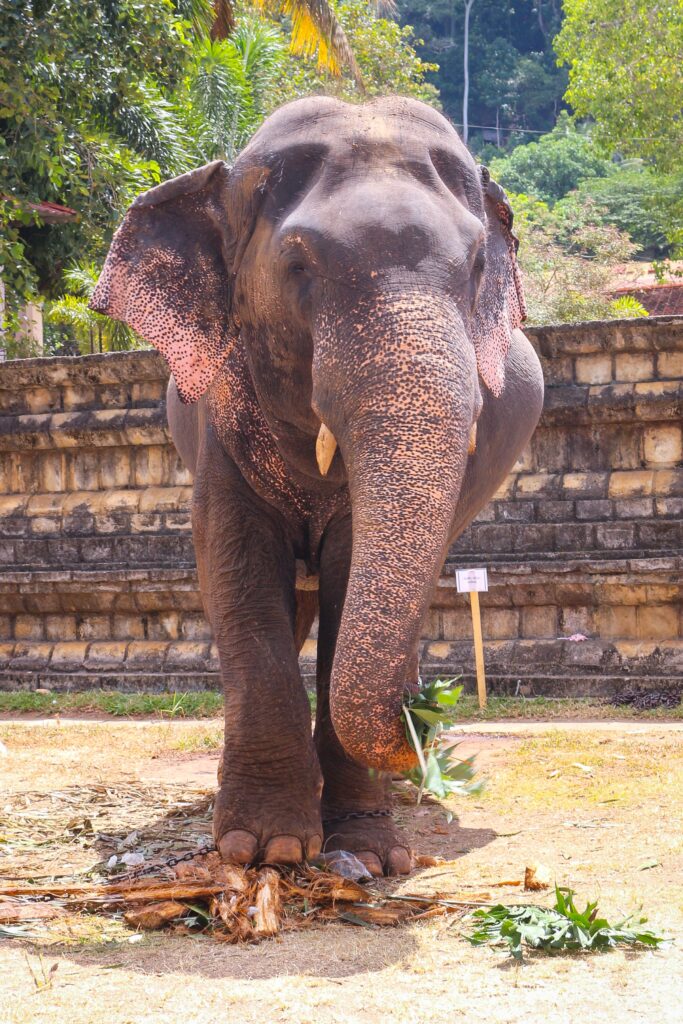
The procession features majestic elephants that are central to the ceremony. Prioritize elephant safety by keeping a respectful distance at all times.
Never attempt to feed or touch the animals, as this can cause distress or unpredictable behavior. Allow the handlers to manage the animals without interference from the crowd.
Photography etiquette, flash restrictions, and consent
While capturing memories is natural, you must follow strict temple of the tooth etiquette regarding cameras. Never use flash photography inside the temple or near the sacred relic.
Most importantly, never pose for a photo with your back turned toward a Buddha statue. Always ask for permission before taking close-up portraits of performers or local devotees.
Staying safe around crowds, traffic, fire, and ceremonial equipment
The festival route can become extremely crowded and chaotic. Stay alert to the movement of fire-dancers and heavy ceremonial equipment passing through the narrow streets.
Keep your belongings secure and stay hydrated in the heat. If you feel overwhelmed by the density of the crowd, move toward the perimeter to find a safer vantage point.
Supporting ethical tourism and local communities
Practicing responsible travel in Sri Lanka means making choices that benefit the local economy. Support local vendors, artisans, and community-run businesses rather than large international chains.
Choose tour operators who prioritize animal welfare and cultural preservation. Your conscious spending helps sustain the festival for future generations.
| Action | Recommended Behavior | Avoid |
| Dress Code | Cover shoulders and knees | Shorts and tank tops |
| Photography | Use natural light only | Flash and turning back to statues |
| Animals | Observe from a distance | Feeding or touching elephants |
| Interaction | Ask for consent | Disrupting prayers or rituals |
Practical Visitor Information for Kandy
Navigating the vibrant streets of Kandy during the festival season is an adventure that rewards those who plan ahead. Securing reliable Kandy esala perahera travel information is the best way to ensure your trip remains stress-free while you enjoy the cultural splendor of the city.
Getting to Kandy from Colombo and Bandaranaike International Airport
Most international travelers arrive via Bandaranaike International Airport, located north of Colombo. From there, the journey Colombo to Kandy takes approximately three to four hours by road, depending on traffic conditions.
Traveling by train, bus, private car, or hired driver
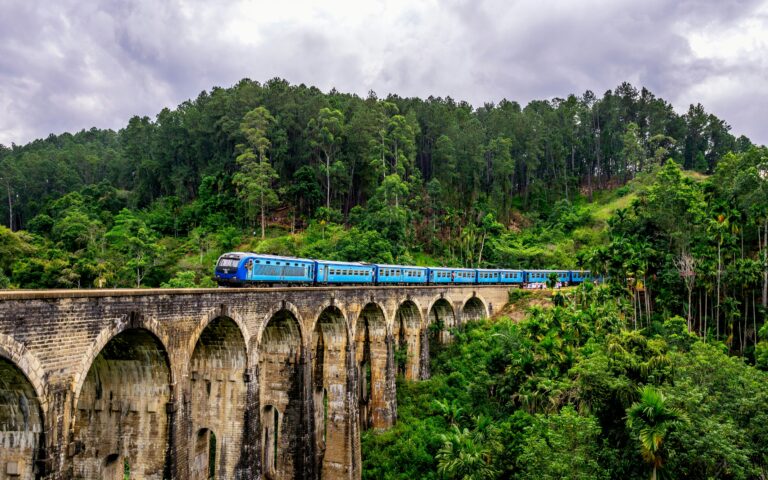
For a scenic route, the train from Colombo Fort is a popular choice, offering beautiful views of the hill country. If you prefer flexibility, hiring a private car or driver is often the most comfortable Kandy transportation method. Public buses are also available, though they can be quite crowded during the peak festival days.
Using tuk-tuks and walking during road closures
During the festival, many central roads are closed to motorized traffic to accommodate the procession. While tuk-tuks are excellent for short distances, you will likely find that walking is the fastest way to navigate the narrow streets near the route. Always allow extra time to reach your viewing spot as crowds can be dense.
Typical weather conditions during the Esala season
The festival occurs during a period where you might encounter the Sri Lanka monsoon, particularly in the southwestern regions. While Kandy stays relatively cooler than the coast, expect occasional rain showers and humid afternoons. Pack a light raincoat and comfortable, moisture-wicking clothing to stay dry and cool.
Money, mobile connectivity, food, and emergency planning
It is wise to carry sufficient cash, as many local vendors and small shops may not accept cards. Purchase a local SIM card at the airport for reliable mobile connectivity throughout your stay. Always keep a bottle of water handy, use mosquito repellent, and keep a note of your hotel’s address and local emergency numbers.
Accessibility considerations for the procession and temple complex
Kandy accessibility can be challenging due to uneven cobblestone streets and steep temple steps. If you have limited mobility, try to book grandstand seats that offer easier access points. We recommend contacting your hotel or a local guide in advance to arrange assistance for navigating the crowded viewing areas.
Beyond just a festival, it’s a breathtaking journey into the spiritual heart of Sri Lanka, where history, culture, and vibrant human devotion come alive under the starlit Kandy sky.
Summary
Witnessing the Kandy esala perahera offers a rare glimpse into a living tradition that bridges the gap between ancient history and modern devotion. This vibrant celebration honors the sacred tooth relic, serving as a powerful reminder of the spiritual heritage preserved within the walls of the sri dalada maligawa.
Understanding the deep kandy perahera history allows travelers to appreciate the rhythmic drumming and majestic elephants on a much deeper level. The temple of the tooth stands as the heart of this experience, anchoring the entire event in centuries of religious significance.
Successful travel requires a blend of careful preparation and an open heart. Secure your viewing arrangements early, pack modest clothing for temple visits, and maintain a patient attitude as you navigate the bustling streets of Kandy. By respecting local customs and planning for the unique demands of the climate, you ensure a meaningful connection with this spectacular cultural display.
Embrace the opportunity to participate in a tradition that continues to inspire millions. Your journey into the heart of Sri Lankan culture promises memories that will last a lifetime.
Quick Answer for Visitors
What is the best time to visit the Temple of the Tooth?
To experience the full spiritual atmosphere, visit during the morning or evening puja (offering) times. However, for a quieter experience with fewer crowds, mid-morning is usually best. During the Kandy Esala Perahera, the temple is exceptionally busy, so plan for long security lines.
What is the Kandy Perahera history and how did it start?
The Kandy Perahera history dates back to the 3rd century B.C. as a rain ritual. It evolved significantly in the 18th century when the Sacred Tooth Relic procession was integrated into the festivities by King Kirti Sri Rajasinha to allow the public to venerate the relic.
Is there a dress code for the Sri Dalada Maligawa?
Yes. All visitors to the Sri Dalada Maligawa must wear modest clothing that covers the shoulders and knees. White or light-colored clothing is preferred as a sign of respect. You must also remove your shoes and hats before entering the temple grounds.
Can I see the actual tooth relic during the festival?
No, the actual Sacred Tooth Relic is kept in a heavily guarded inner sanctum and is rarely displayed. During the procession, a symbolic casket is carried on the back of the Maligawa Tusker for the public to see.
Where is the best place to sit to watch the Kandy Esala Perahera?
For comfort, book a seat in a grandstand along Dalada Veediya or Raja Veediya. For a more local experience, you can join the crowds on the pavement for free, but you must arrive early in the morning to secure a spot.
How do the festival dates change each year?
The dates are determined by the Esala full moon according to the lunar calendar. The festival usually takes place in July or August. It is vital to check the specific dates for the current year before making travel arrangements.
Is photography allowed during the procession?
Photography is allowed, but flash photography is strictly prohibited. The bright light can disturb the dancers and, more importantly, startle the elephants. Always be respectful and avoid blocking the view of those behind you.
How can I travel to Kandy from the airport?
You can take a private taxi or hired driver directly from Bandaranaike International Airport (about 3-4 hours). Alternatively, you can take a bus or train from Colombo. During the Perahera, expect heavy traffic and plan for extra travel time.